hold.that.thought. Blog
How to Choose a Custom Fabrication Studio in LA: 12 Questions
By Hollywood 3D Printing ·
Key Takeaways
- Ask whether the studio finishes in-house, can show finished work, and handles NDAs, because these separate full-service fabricators from print bureaus.
- A good vendor gives you renderings to approve and a first-article sample before production begins.
- Ask about packaging, shipping, revisions, design ownership, project fit and a named point of contact before you sign.
- Hollywood 3D Printing focuses on commercial and production projects, has no minimum quantity, and does not take hobbyist, personal or student work.
- Match the vendor type to the job: print bureaus for raw parts, prop shops for hand-built one-offs, full-service studios for finished, packed and delivered pieces.
To choose a custom fabrication studio in Los Angeles, ask twelve questions: do they finish work in-house, can they show finished pieces (not raw prints), how do they handle NDAs, what is their record on hard deadlines, do you approve renderings and a first article before production, how do revisions work, who owns the design, what kinds of projects do they take, how do they pack and ship, who is your contact, how large can they build, and can they scale to your quantity? A studio that answers all twelve clearly is usually one that has done this before.
We are one of those studios, so we have written this from both sides of the table. For each question we say why it matters and how Hollywood 3D Printing answers it, and we are candid about the clients we are not the right fit for.
What kinds of fabrication vendors are there in Los Angeles?
The word “fabricator” covers three different businesses, and much of the frustration buyers report comes from hiring the wrong type for the job.
| 3D print service bureau | Traditional prop or scenic shop | Full-service fabrication studio | |
|---|---|---|---|
| Best for | Raw parts from your own file | One-off hand-built pieces | Designed, printed, finished and packed pieces from a brief |
| Design help | Usually none; you supply files | Sculpting and build by hand | 3D design, renderings and approval built into the process |
| Finishing | Often minimal or outsourced | Strong hand painting and sculpting | Painting, plating and packaging under one roof |
| Repeatability | Good for identical prints | Each piece is handmade | Approved first article, then production runs |
| Watch for | Layer lines, no color matching, no packaging | Long timelines and inconsistent copies | Project size and fit |
We are the third type: design, 3D printing, foam milling, molds, painting, electroplating and packaging in one Los Angeles studio. The twelve questions below help you test any vendor against that standard.
What are the 12 questions to ask a custom fabrication studio?
1. Do you finish work in-house, or send it out?
Finishing decides how a piece looks on camera and in hand. Outsourced finishing adds hand-offs, delays and blame when something goes wrong. Our answer: sanding, epoxy hard coat on foam, spray-booth and airbrush painting, hand painting, Pantone matching, decals, chrome and gold electroplating and custom packaging are all done by our team. We do not accept customer-supplied parts for finishing; finishing comes with an order where we fabricate.
2. Can you show finished work, not raw prints?
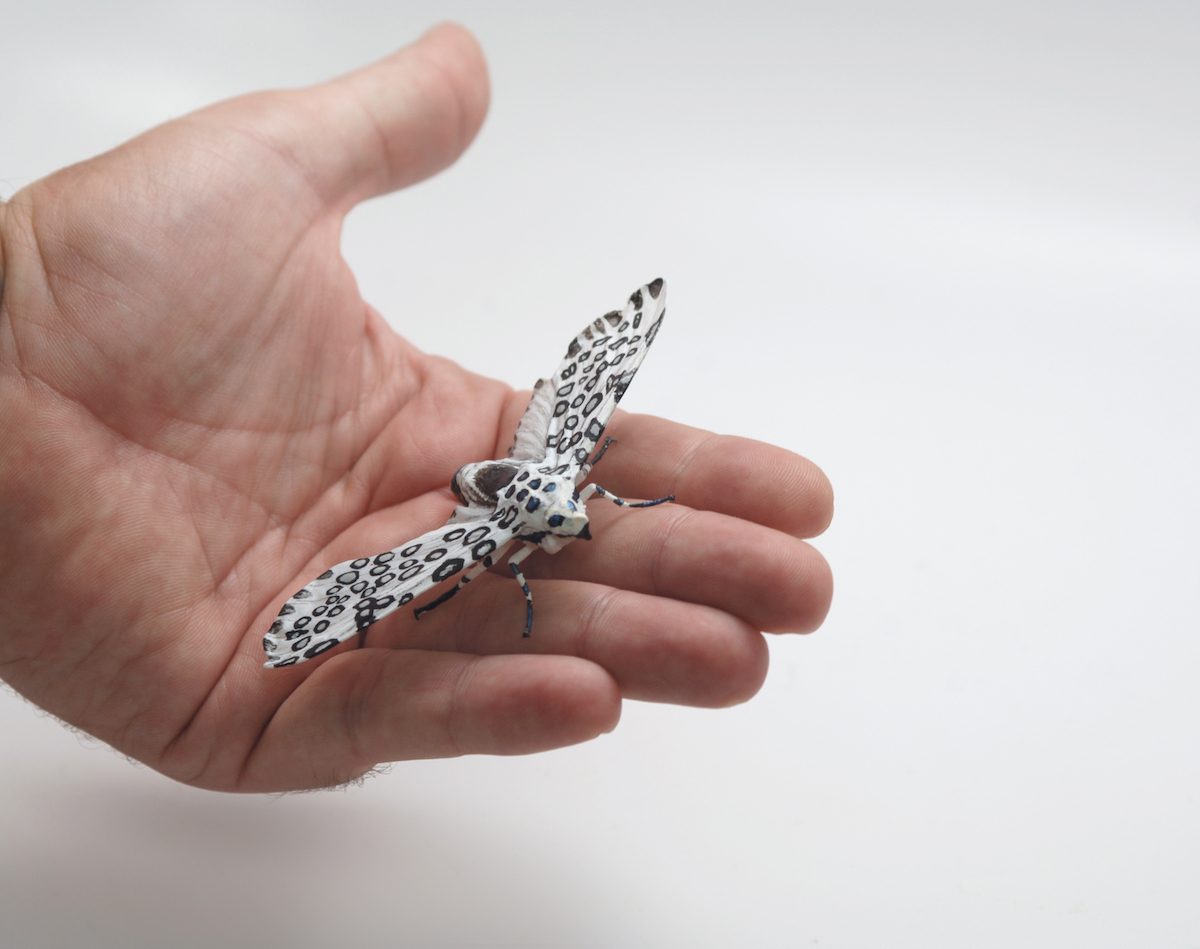
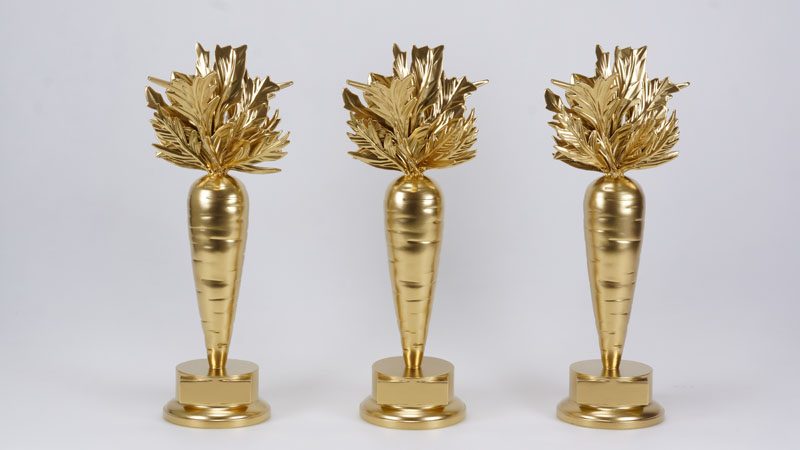
A gallery of gray prints tells you little about paint quality. Ask for finished, photographed pieces similar to yours, at similar size. Our answer: our portfolio shows finished props, trophies, displays and replicas. We do not name clients we work under NDA.
3. How do you handle NDAs and unreleased products?
If you are building a prop of a product that has not launched, this is question one. Our answer: NDA management is standard for us, including for unreleased products, and we can sign yours.
4. What is your record on hard deadlines and rush work?
Every vendor says yes to a deadline. Ask how they protect the date: do they build a schedule backward from your event, and what happens when something slips? Our answer: we have 16 years in business, routinely work to fixed event and broadcast dates, and offer rush production (some jobs deliver in days or next-day). See our lead-time guide for typical schedules.
5. Do I approve the design and renderings before you build?
You should never see the design for the first time as a finished object. Our answer: we create a 3D model and full-color renderings with finish samples, generally within 3 to 5 business days, and you approve them before fabrication starts. If you do not have a file, we work from a sketch, dimensions and reference images through our 3D design service.
6. Do you make a sample or first article before production?
On anything beyond a single piece, a sample is the best insurance. Our answer: a prototype or first article, typically 2 to 4 weeks, comes before production. On runs of more than 100 units we also send mid-production samples so you can catch problems before the batch is finished.
7. How do you handle packaging and shipping?
A perfect piece that arrives damaged is a failed project. Our answer: we pack in custom packaging, foam-lined for plated pieces, and for large event pieces we build modular components with labeled parts, size crates to each piece, test-fit and photograph in the studio before packing, and include assembly instructions. We offer local pickup or same-day local delivery in LA and ship nationwide and internationally, including to multiple addresses.
8. What is your revision policy?
Ask when revisions are free, when they are billed, and where in the process they stop. Our answer: design revisions happen at the model and rendering stage, before fabrication starts, and we share the 3D model in an online viewer for your feedback. Changes after approval affect the schedule, which we flag in the quote. Consolidating notes into one round keeps revisions to a minimum.
9. Who owns the designs you create?
This matters if you plan to reorder, re-mold or take production elsewhere. Our answer: you own the designs we create for you.
10. What kinds of projects do you take?
A studio's project focus tells you which clients it is set up for. Our answer: we focus on commercial and production projects. There is no minimum quantity, so one piece is fine. Our largest single order was 11,500 units. For what to send us, see what to include in a quote request.
11. Who is my point of contact, and how quickly do they reply?
Fabrication projects fail on communication more often than on craft. Ask who you will speak to, and whether that person can make decisions. Our answer: a project engineer reviews each request, we typically reply to custom quote requests within 24 to 48 business hours, and we offer phone support on install day. We work weekdays, roughly 9am to 6pm Pacific.
12. What is the largest and smallest piece you can build, and can you scale to my quantity?
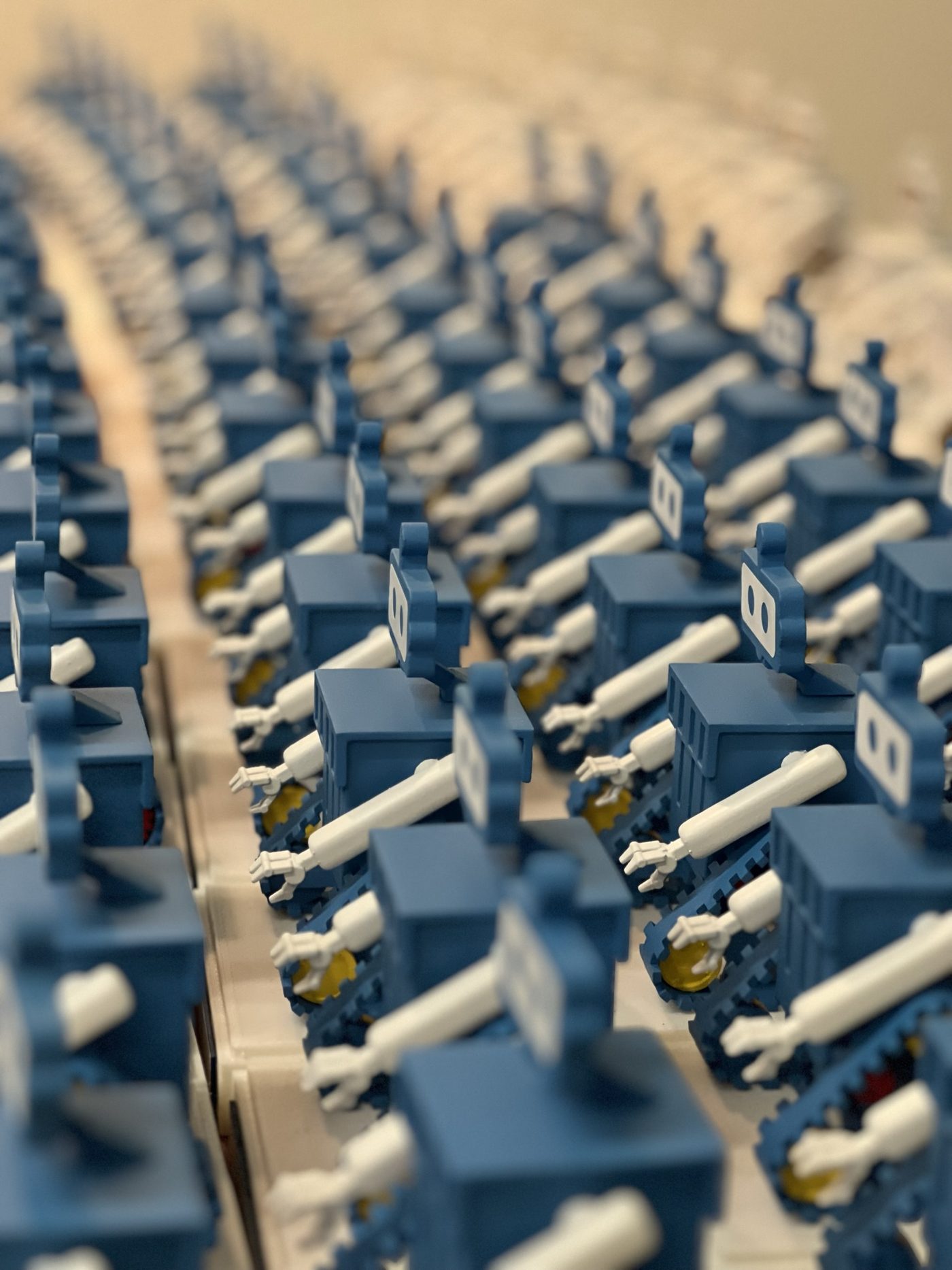
Some vendors are strong at tabletop pieces and stall on anything bigger, or are great for one and unreliable for a hundred. Our answer: from micro-detail product replicas to assembled pieces of 10 to 15 feet and beyond, and oversized replicas at 2 to 15 times actual size. For repeat runs we keep paint mix formulas on file. Ask any vendor for examples at the scale and quantity you need.
Which red flags should I watch for?
- Only raw, unpainted photos in the portfolio.
- A quote without a stated process or timeline.
- No first-article step on a production run.
- Vague answers on packaging and shipping.
- Claims of every process and material in the industry. A studio should be able to say plainly what it does in-house.
Who is Hollywood 3D Printing not the right fit for?
We do not take hobbyist, personal or student work, and we focus on commercial and production projects. We do not finish parts that other people made. If you need a single raw resin print from your own file, an online print service will serve you better. If you are a brand, agency, event producer, production department or product team with a real deadline and a piece that has to look right on camera or on a stage, we are set up for you.
If you are still comparing options, the guides on what to include in a quote request and engineering oversized pieces to ship and assemble will help you compare quotes fairly. You can see the full range of our custom fabrication services, or how we work with brands and marketing teams.
Send us your brief and use the twelve questions above on us; we will answer each one for your specific project.
Request a QuoteFrequently Asked Questions
How do I choose a custom fabrication shop in Los Angeles?
Ask twelve questions covering in-house finishing, portfolio of finished work, NDA handling, deadline record, design approval before build, first-article samples, packaging and shipping, revisions, design ownership, project fit, point of contact, and capacity for your size and quantity. Vendors who answer specifically and show finished photography are the safer choice.
What questions should I ask a 3D printing service before hiring them?
Ask whether they finish parts in-house, which printing method they use and why, whether you approve renderings and a sample first, how they match colors, how they pack for shipping, who owns the design files, and what kinds of projects they take. A raw-print bureau and a finishing studio answer these very differently.
What is the difference between a 3D print bureau and a fabrication studio?
A print bureau produces raw parts from your file. A full-service fabrication studio also handles design, renderings, sanding, painting, plating, custom packaging and delivery. If your piece needs to look finished on camera or at an event, a studio that finishes in-house removes hand-offs and reduces risk.
Should a fabricator make a sample before production?
Yes, for anything beyond a single piece. A first article, which we typically deliver in 2 to 4 weeks, lets you confirm color, finish and fit before production. On runs over 100 units we also send mid-production samples so problems are caught early rather than after the batch is done.
Does Hollywood 3D Printing take small or personal projects?
No. We serve commercial clients, including brands, agencies, event producers and productions, and we focus on commercial and production projects. There is no minimum quantity, so a single piece is fine. We do not take hobbyist, personal or student work.
Have a project in mind?
Hollywood 3D Printing designs, fabricates, and finishes custom pieces for brands, agencies, productions, and events, all under one roof in Los Angeles. Tell us what you’re building and when you need it.
Start Your Project TodayPrefer to talk it through? Call (323) 645-7640.
Related Reading