hold.that.thought. Blog
3D Scanning and Reverse Engineering in Los Angeles
By Hollywood 3D Printing ·
Key Takeaways
- Our light/laser scanner is accurate to 60 microns (0.060 mm, or 0.002 inch), and scans typically take 1 to 3 days while we hold the part.
- A standard scan delivers a print-ready STL mesh; STEP or IGES conversion for true CAD is quoted separately.
- Reverse engineering builds a solid CAD model by measuring the part’s features, while scanning captures the surface as it is.
- After scanning, we can resize, clean up and modify the geometry, and we also offer full-color body and face scanning.
- Drop off Monday to Friday or ship the part to us with a return label.
Our 3D scanner captures an object’s surface to within 60 microns (0.060 mm, or 0.002"), and most parts are scanned in 1 to 3 days while we hold them. The result is an STL mesh that is ready to print, resize or modify. If you need a true editable CAD model, with real features, we quote STEP or IGES conversion separately, and reverse engineering builds that solid model by measuring the part feature by feature.
We scan sculptures, props, discontinued parts and people from our Los Angeles studio. This guide covers what a scan does and does not give you, how the turnaround works, which file you actually need, and how to get a quote.
How accurate is our 3D scanning?
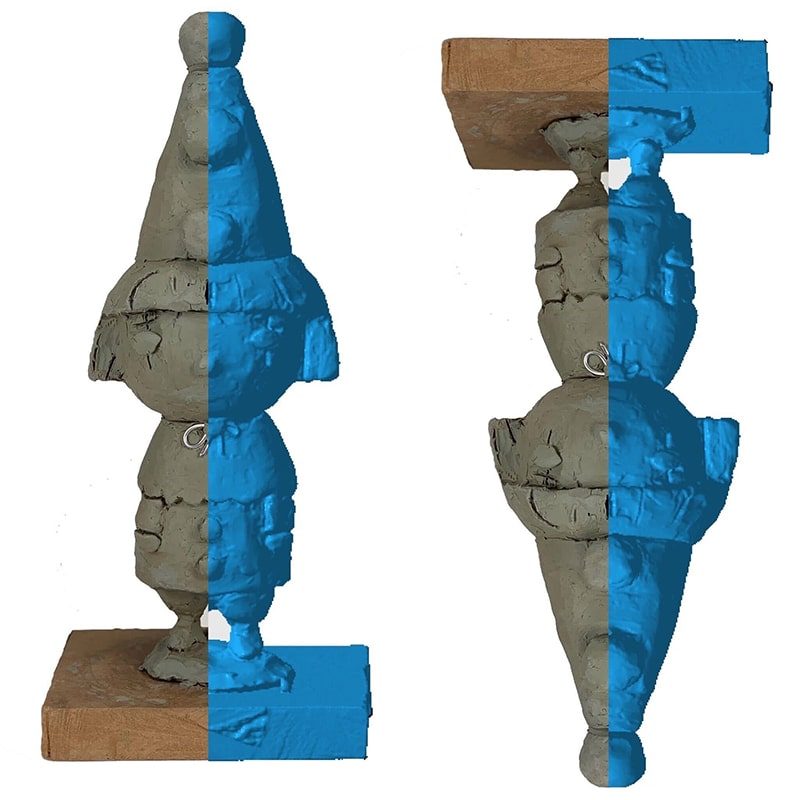
We use a light/laser scanner accurate to 60 microns, which is 0.060 mm or 0.002". In practice that is fine enough to capture tool marks, surface texture and small ornament on a sculpture, and to reproduce a mechanical part well enough to print, fit-check or mold. Accuracy describes the scanner; the final result also depends on the object, its surface and how it was prepared.
Some surfaces are harder than others. Very shiny, mirror-like or transparent surfaces commonly need prep before a light scanner can read them, and deep recesses or thin features can be difficult to reach. If your part is one of those, send photos and we will tell you what to expect before quoting.
How long does a 3D scan take?
Typically 1 to 3 days from the time we have the part. Scanning itself is quick; the time goes into cleaning up the data, and into any resizing or modification you asked for. Printing, casting or finishing a copy is quoted separately, and our general project timeline for design plus fabrication plus finishing runs 2 to 6 weeks, often less for simple pieces.
If you are in the area, you can drop the part off in person Monday through Friday. Otherwise ship it to us with a return label, and we send it back when the scan is done. Local pickup or same-day local delivery in Los Angeles is available, and we ship nationwide and internationally. For scans tied to a hard deadline, rush production is available, so ask.
What file do you get: STL, STEP or IGES?
A standard scan delivers an STL, a mesh made of many tiny triangles that follows the surface exactly as scanned. It is ready to 3D print, and it is a good base for reproduction. A mesh is not a “smart” CAD model: it has no editable features such as holes, fillets or dimensions you can change with a number.
| STL scan mesh | STEP / IGES solid CAD | |
|---|---|---|
| What it is | Surface made of triangles, captured as scanned | Solid model built from real geometry and features |
| Best for | Printing, molding, reproducing sculptures and organic shapes | Machining, engineering changes, fitting to other parts |
| Editable? | Can be resized, cleaned up and modified | Dimensions and features can be edited directly |
| How we produce it | Direct output of the scan | Conversion or reverse engineering, quoted separately |
If you are not sure which file you need, our post on STL, OBJ and STEP files explains the differences. Organic shapes like statues and faces are normally used as meshes. Precision parts that must mate with other hardware are where STEP earns its place.
What is the difference between 3D scanning and reverse engineering?
Scanning captures what a part looks like; reverse engineering rebuilds how it was designed. Scanning gives you a mesh of the outside surface. Reverse engineering uses measurements of the part’s features to build a solid CAD model, feature by feature, that an engineer can edit, adjust and send to a machine shop or a printer.
Choose scanning when you want to copy or print an object as it is. Choose reverse engineering when you want to change the design, need a dimensioned model, or must replace a part and modify it at the same time. Reverse engineering takes longer than a scan, and we quote it individually. Our 3D design service covers CAD and reverse engineering, and our 3D scanning service page lists what we scan.
What can you change after a part is scanned?
Quite a lot. Once the geometry is digital, we can resize it up or down, clean up blemishes, wear and scan artifacts, and make design modifications. Typical requests include enlarging a small sculpture to an oversized display piece, removing a chip or scratch from a scanned original, adding a mounting feature, or adjusting a part so it fits something new.
- Resize. Scale a piece up or down; we produce oversized replicas at 2 to 15 times actual size.
- Clean up. Remove damage, noise and surface flaws so the copy is better than the worn original.
- Modify. Change proportions, add or remove features, or merge the scan with new design work.
- Convert. Have the mesh converted to STEP or IGES when you need a CAD file (quoted separately).
What are 3D scans used for?
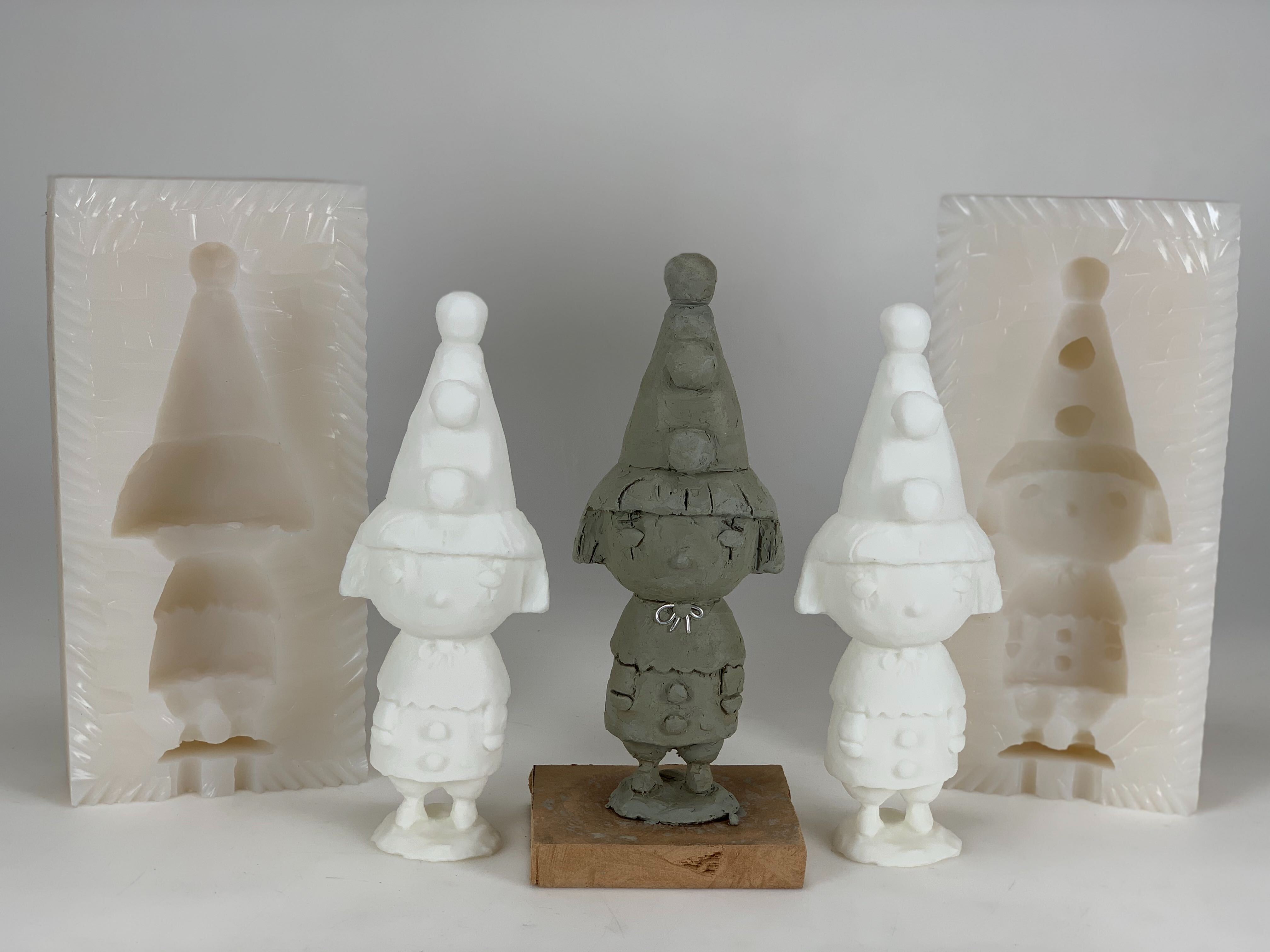
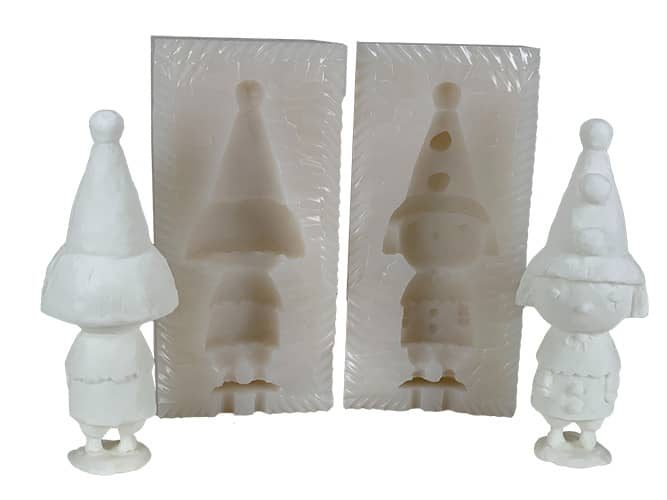
- Sculpture reproduction. Scan a hand-made original and print or mold copies. For the full workflow, see our post on copying sculptures with 3D scanning and silicone molds.
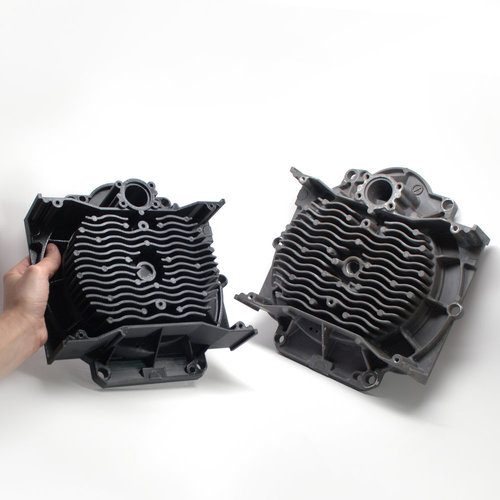
- Discontinued parts. Scan a part that can no longer be bought, then print it, or have a solid model built so it can be made again.
- Design modification. Start from a real object and change it, instead of modeling it from scratch.
- Custom fits. Capture the shape of something a new piece must fit, such as a bracket, mount, case or display base.
- Prop replication. Duplicate an existing prop so a production has spares, or scale it up. See our custom props work.
Can you scan people?
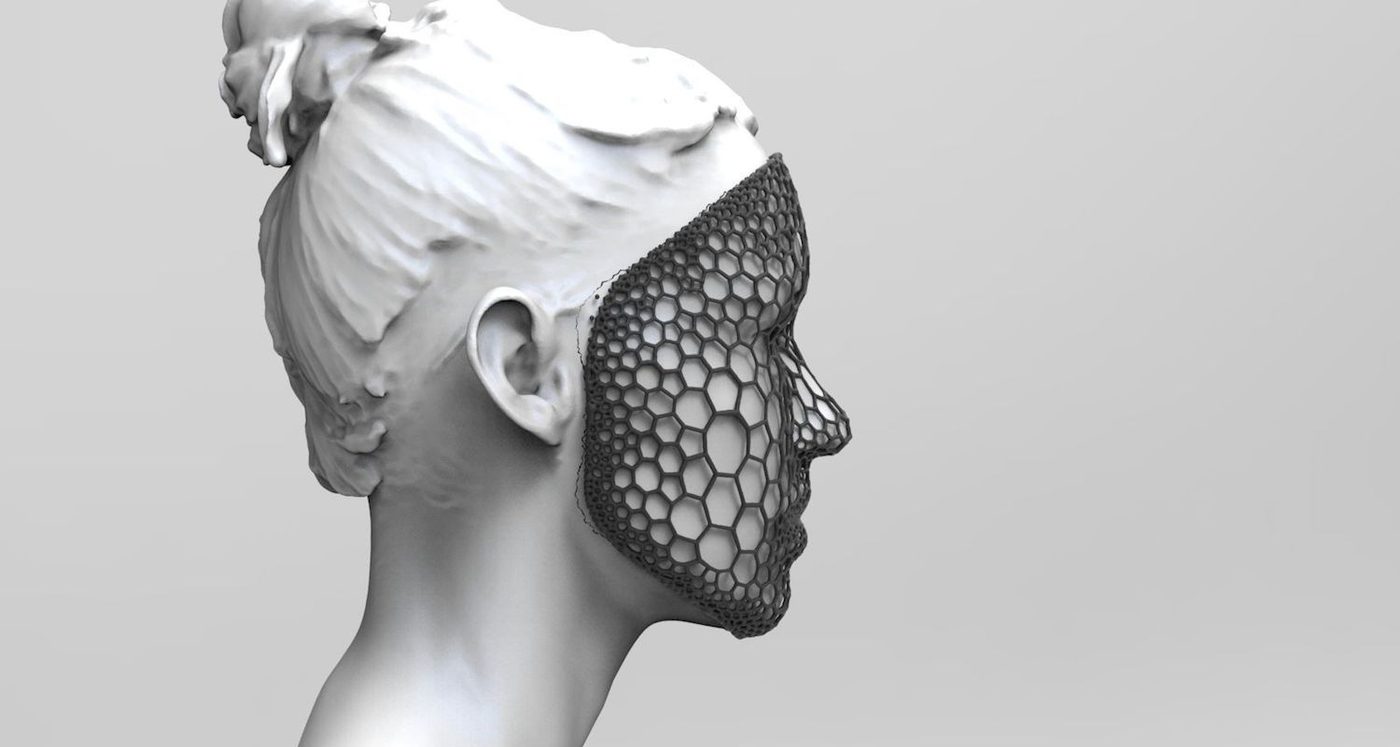
Yes. We offer full-color body and face scanning of people, which can be turned into printed figurines, busts or character pieces. Full-color output keeps the color information from the scan, which matters for likenesses. Because this involves a person’s likeness, we recommend telling us up front how the results will be used.
How do drop-off and shipping work for a scan?
Bring the part to our Los Angeles studio Monday through Friday, or ship it to us and we include a return label so it comes back to you when the scan is finished. Pack fragile originals well, and if a piece is one of a kind, tell us so we can handle it accordingly. We keep the part only for the 1 to 3 days the scan takes, unless you have also asked for copies.
Files are delivered digitally. If the scan is the first step of a larger job, such as a set of printed copies, a scaled-up replica or a mold, we carry the data straight into the next stage so nothing is re-measured. NDA management is standard, which matters when the object being scanned is unreleased or confidential.
What should you send to get a scan quote?
Send photos of the part from several angles, its approximate dimensions, what you want the scan for, and whether you need an STL only or a CAD model. Tell us what material and finish it has, since shiny or transparent surfaces may need prep. Say if you want copies made afterward, and by when.
We typically reply within 24 to 48 business hours for custom projects. We focus on commercial and production projects, with no minimum quantity, and do not take hobbyist, personal or student work. Scans that lead into fabrication are best quoted together, and finishing is part of an order where we fabricate. We do not accept customer-supplied parts for finishing alone. Start with our quote form.
Send us photos of the part or sculpture you want scanned, and we will quote the scan and whatever comes after it.
Request a QuoteFrequently Asked Questions
How accurate is your 3D scanner?
Our light/laser scanner is accurate to 60 microns, which is 0.060 mm or 0.002 inch. That is fine enough to capture surface texture and small detail on sculptures and to reproduce mechanical parts. Final results also depend on the object’s surface and shape, so very shiny or transparent items may need prep.
How long does 3D scanning take?
Typically 1 to 3 days while we hold the part. Cleanup and any resizing or modification are part of that time, while printing, molding or finishing copies is scheduled and quoted separately. You can drop the part off Monday to Friday, or ship it to us with a return label.
What is the difference between an STL scan and a STEP file?
An STL is a mesh of tiny triangles that records the scanned surface, ready to print. A STEP or IGES file is solid CAD with real geometry that engineers can edit. We deliver STL as standard, and STEP or IGES conversion is quoted separately.
Can you duplicate a discontinued part?
Often, yes. We scan the part, then print a copy or build a solid CAD model through reverse engineering so it can be made again or modified. Send photos and dimensions first so we can tell you how suitable the part is for scanning.
Can you scan a sculpture or prop and make copies?
Yes. Sculpture reproduction and prop replication are common uses. We scan the original, clean up the data, and then print copies or make a silicone mold and cast them. We can also resize the piece, from a smaller replica to an oversized display.
Do you offer full-color scanning of people?
Yes, we offer full-color body and face scanning of people, which can be turned into printed figurines and busts. Tell us how the results will be used when you request a quote, since a person’s likeness is involved.
Have a project in mind?
Hollywood 3D Printing designs, fabricates, and finishes custom pieces for brands, agencies, productions, and events, all under one roof in Los Angeles. Tell us what you’re building and when you need it.
Start Your Project TodayPrefer to talk it through? Call (323) 645-7640.
Related Reading